Selecting the Right Side Dishes for Your Spit Braai
When planning a spit braai, an event marked by the warm glow of coals and the succulent aroma of roasting meat, selecting the right side dishes is crucial for enhancing this uniquely South African culinary experience. The choice of sides can elevate the meal from simply good to truly memorable, complementing the rich flavors of the meat while adding variety and balance to the dining table.
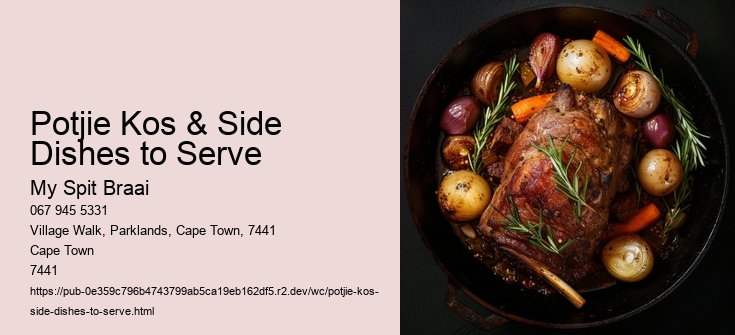
Potjie kos, a beloved traditional dish, is one such side that seamlessly merges with the concept of a spit braai. This slow-cooked stew, prepared in a cast-iron pot over an open flame, embodies the spirit of communal cooking and eating. The beauty of potjie lies in its versatility; it can be made with a variety of meats or kept vegetarian. Ingredients like potatoes, carrots, and peas soaked up in a savory broth enhance any main course with their comforting flavors and hearty textures. A well-made potjie not only serves as a robust side but also provides an engaging culinary show as guests gather around the bubbling pot, anticipating its contents.
Additionally, no spit braai would be complete without a selection of breads. Mealie bread, a traditional South African sweetcorn bread, is particularly delightful. Its slightly sweet flavor and moist texture make it an excellent companion to both the meat and potjie kos. For those looking for something even more rustic, roosterkoek – bread rolls cooked directly on the grill – offer a smoky crust that pairs excellently with spreads like garlic butter or apricot jam.
Salads provide a fresh counterpoint to the rich dishes typical at a spit braai. A simple green salad dressed in vinaigrette can cleanse the palate between bites of meat. For something more substantial, consider adding salads like beetroot salad or carrot and pineapple salad which combine sweetness with tanginess and add vibrant colors to your spread.
Lastly, one must not overlook dessert as part of their side dish lineup. A traditional malva pudding served warm with custard can round off the meal on a sweet note; its spongy texture soaking up the creamy custard provides comfort after a hearty meal.
In conclusion, when selecting side dishes for your spit braai, consider how each element will interact with others on your menu to create harmony on your plate as well as at your event. Potjie kos offers warmth and depth; various breads add heartiness; salads introduce freshness; and dessert brings sweetness-all culminating in an enjoyable eating experience that celebrates South African cuisine's diverse flavors.
Traditional South African Accompaniments for Potjie Kos
Potjie kos, a traditional South African stew, is not just a meal but an event. This slow-cooked, flavorful dish is made in a cast-iron pot and typically simmered over an open fire. The ingredients vary widely depending on regional preferences and what's available but often include meat, vegetables, and sometimes fruits, all layered and left to meld into a rich, hearty feast.
While potjie itself is delightfully satisfying, the accompaniments served alongside it can elevate the dining experience. Traditional sides not only complement the flavors in the potjie but also adhere to South African culinary traditions.
One of the most popular side dishes to serve with potjie is steamed or baked bread. In particular, potbrood, a bread cooked in a cast-iron pot beside the main dishs potjie, is a favorite. This bread often incorporates ingredients like sweetcorn or herbs to enhance its flavor. It serves as an excellent tool for mopping up the delicious, savory sauce that accompanies the stew.
Another quintessential side dish is pap, a type of porridge made from mielie-meal (ground maize). Pap can be served in various consistencies; stywe pap (firm pap), slap pap (soft pap) similar to American grits, or phutu pap which has a crumbly texture. This staple provides a wonderful contrast in textures when paired with the tender meats and vegetables from the potjie.
For those looking for something lighter, salads are an excellent addition. A simple green salad dressed lightly with olive oil and vinegar can offer a refreshing counterpoint to the rich stew. More traditional options might include carrot salad spiced with chili flakes and seeds or beetroot salad enriched with onions and balsamic vinegar – both offering vibrant splashes of color and bursts of complementary flavors.
Chakalaka is another lively side that pairs wonderfully with potjie kos. It's a spicy vegetable relish typically made from tomatoes, carrots, beans, peppers, and spices. Its bold flavors stand up well against the deep umami of meat-based potjies but can also provide an aromatic lift to more subtly flavored vegetable stews.
Lastly, dessert should not be forgotten as part of this communal dining experience. A simple dessert like koeksisters - braided doughnuts soaked in syrup - offers a sweet finish after such robust fare.
In summing up these accompaniments when serving Potjie Kos: whether one chooses breads like potbrood for soaking up juices; starches like pap to balance out spice; fresh salads for lightness; chakalaka for added zest; or sweets like koeksisters for closure - each plays its role impeccably within this cherished South African tradition.
Creative Serving Ideas for Potjie and Spit Braai
When it comes to South African cuisine, few dishes are as emblematic and cherished as Potjie and Spit Braai. These traditional cooking methods not only offer delectable flavors but also bring people together in a unique, communal dining experience. Creative serving suggestions can elevate these culinary traditions, turning a simple meal into an unforgettable feast.
Potjie Kos – which literally translates to pot food – is traditionally cooked in a round, cast-iron pot over a fire. The slow-cooking process allows the flavors of meat, vegetables, and spices to meld beautifully. To serve Potjie creatively, one could present it as a gourmet experience by using individual mini cast-iron pots for each guest. This not only makes for an impressive display but also allows each person to customize their additions such as different cheeses or herbs before the meal is served. Additionally, pairing the Potjie with side dishes that complement its rich flavors can enhance the dining experience. A fresh, crisp green salad dressed lightly with vinaigrette can cut through the richness of the stew, while homemade bread rolls are perfect for mopping up the delicious sauce.
Spit Braai, on the other hand, involves roasting meat on a spit over open flames or coals and is fantastic for feeding large crowds. To serve Spit Braai in a creative manner think about an interactive carving station where guests can choose their cuts of meat directly from the spit and decide on various rubs or marinades to be applied just before slicing. Accompanying this with a buffet-style array of side dishes such as roasted vegetables tossed in herb-infused oils or a selection of dips like tzatziki or chakalaka (a spicy tomato relish) would cater to diverse tastes and make for a vibrant meal.
The presentation of sides should not just complement but also enhance the main attraction. For instance, maize meal or pap is traditional with both Potjie and Spit Braai; giving it an upgrade by serving it in creative forms like grilled pap cakes topped with creamy mushroom sauce could really impress your guests. Another delightful addition could be skewers of sweet fruits like pineapple or mango that can be grilled briefly over the coals after the meat is done – offering a sweet counterpart to the savory meats.
Moreover, considering dietary preferences adds another layer to your creative serving ideas – including options for vegetarians such as vegetable skewers or stuffed peppers on the spit ensures everyone enjoys their meal equally.
In conclusion, when serving traditional South African dishes like Potjie and Spit Braai creatively, consider individual servings, interactive stations, complementary sides that balance flavors and textures while catering to all dietary needs. Your aim should be not only to satisfy hunger but also to create an engaging and memorable dining atmosphere that celebrates South African culinary heritage.
Managing Dietary Restrictions with Varied Side Options
In the world of culinary delights, potjie kos holds a special place in South African culture. This slow-cooked stew, traditionally prepared outdoors in a cast-iron pot, offers a hearty and flavorful experience that is deeply embedded in social gatherings and family meals. However, as diverse as the guests around the potjie may be, so too can be their dietary restrictions and preferences. Managing these dietary needs doesnt have to dampen the spirit of a communal meal; rather, it presents an opportunity to explore an array of side dishes that complement the main course while catering to various dietary requirements.
When planning a potjie kos meal, it's essential to consider that guests might have restrictions such as vegetarianism or veganism, gluten intolerance, or allergies to specific ingredients like nuts or dairy. The beauty of side dishes is that they can be both accommodating and inventive, ensuring everyone at the gathering can enjoy a full meal.
For vegans and vegetarians, for instance, sides can range from marinated grilled vegetables-think bell peppers, zucchini, and eggplants-to starches like pap or samp that are naturally plant-based but hearty enough to satisfy all appetites. A fresh salad with a vinaigrette dressing or a tangy coleslaw can add crunch and zest. Additionally, legume-based sides such as lentil salads or chickpea stews are protein-rich options that align well with these diets.
Gluten-free guests can enjoy many of these same options with slight adjustments where necessary. For example, ensuring that any sauces or dressings are made without gluten-containing ingredients is crucial. Polenta makes an excellent alternative to wheat-based sides; its creamy texture and mild flavor make it a versatile base for herbs and cheeses (for those who consume dairy) or vegan alternatives like nutritional yeast.
Those with nut allergies can enjoy safely prepared dishes free from cross-contamination risks by using separate utensils and servings dishes. Opting for seed-based toppings (like sunflower or pumpkin seeds) instead of nuts on salads ensures everyone gets to crunch on something nutritious without worry.
Moreover, dairy-free versions of traditional sides such as mashed potatoes made with olive oil instead of butter allow those avoiding lactose to partake fully in the feast. A rich tomato chutney or onion marmalade can serve as flavorful condiments that add depth without requiring any dairy products.
In essence, managing dietary restrictions when serving potjie kos revolves around inclusivity - making sure each guest feels considered through the provision of varied side options. Its not merely about removing problematic ingredients but enhancing the meal by introducing diverse flavors that accommodate everyones needs while celebrating South African culinary traditions. This approach not only respects individual health requirements but also enriches the communal dining experience-proving once again that food truly brings people together.